
Picture this: you’re halfway through a set of back squats, the bar feels heavy—but not because your legs are weak. It’s because your hips refuse to cooperate. You’re grinding through molasses instead of moving like a well-oiled machine.
That stiffness? It’s your body’s way of whispering (or maybe yelling):
“Hey, we’ve got a mobility problem.”
Most people treat mobility like the sad salad sitting next to the steak—important in theory, ignored in practice. But here’s the truth: mobility is strength in motion. It’s what allows your power to actually show up when it matters—on the barbell, on the field, or when you’re picking up your kid without feeling your lower back file a complaint.
Mobility Isn’t Stretching—It’s Strength That Moves
Stretching is what you do when you want to touch your toes.
Mobility is what you need to pick up your keys without pulling a hamstring.
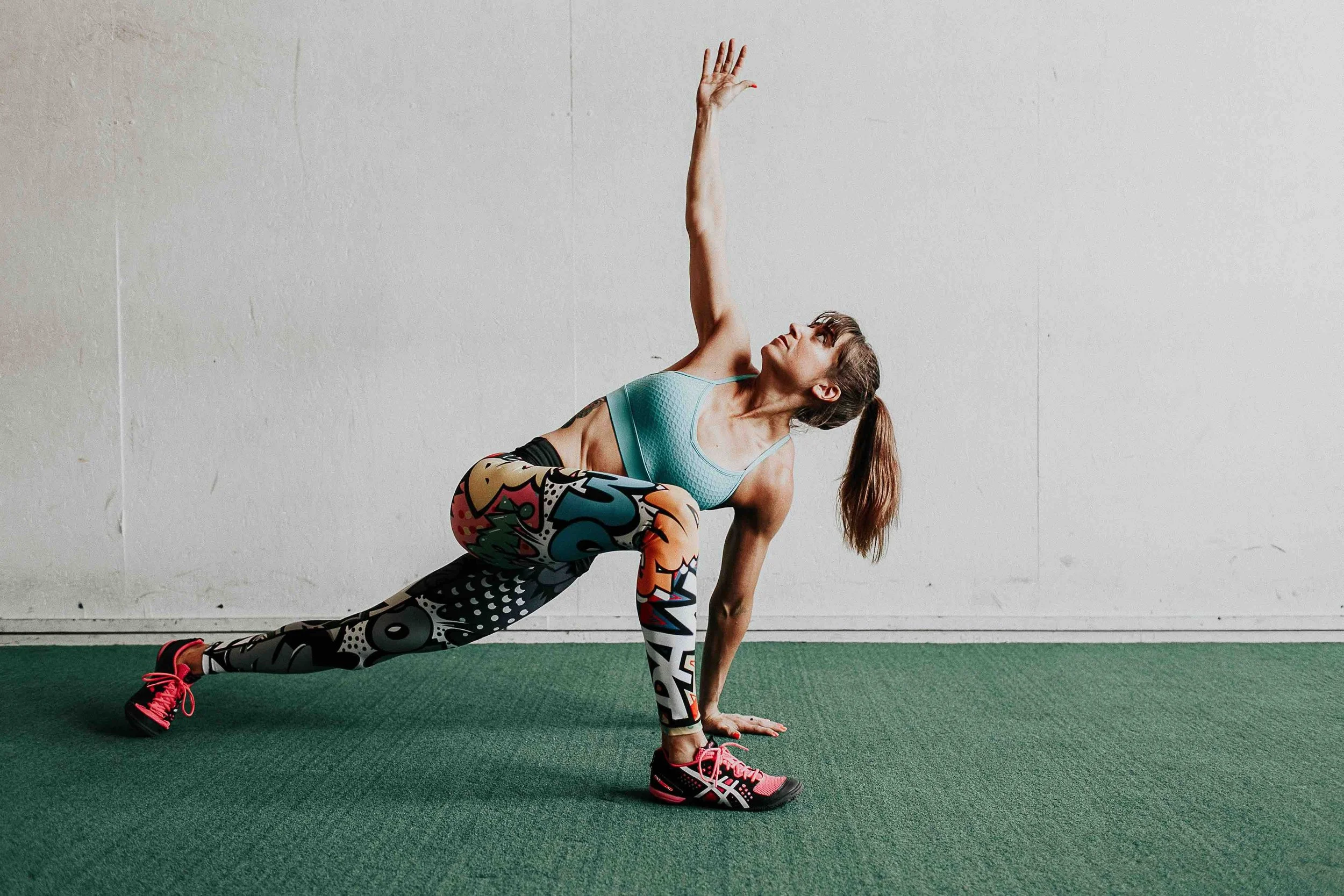
Mobility is the marriage between flexibility and control. It’s your ability to move through a range of motion with strength and stability. It’s not about forcing yourself into yoga poses or chasing “looseness.” It’s about earning the right to move freely.
Think of it like the difference between:
- A floppy noodle (too flexible, no control)
- A stiff board (too tight, can’t move)
- And a panther—supple, powerful, and ready to pounce
You want to be the panther.
The Strength Ceiling: You’re Stronger Than You Think—If You Could Just Move Better
Here’s the painful irony: most athletes aren’t limited by strength. They’re limited by how well they can move.
Let’s say your hips are tighter than your jeans after Thanksgiving dinner. When you squat, your body compensates—knees cave in, heels lift, and suddenly that strong foundation feels like a Jenga tower in a windstorm.
It’s not that your legs are weak; it’s that your joints don’t have room to do their job.
Mobility dictates:
- How deep you can squat (hips + ankles)
- How well you can press overhead (shoulders + thoracic spine)
- How powerfully you can jump, land, and change direction (everything working together)
Without mobility, you’re driving a Ferrari with the parking brake on.
The engine roars, but you’re not going anywhere fast—and something’s going to burn out.
The Injury Loop: Tight Today, Hurt Tomorrow
Every gym has that one person who’s “always working around something.”
Maybe it’s a cranky shoulder. A hip that pops. A knee that protests like it’s on strike.
Here’s the cycle:
1. You move with limited mobility.
2. Your body compensates.
3. You get away with it—for a while.
4. Then pain shows up, uninvited, like a bad sequel.
Poor mobility is sneaky because it doesn’t scream right away. It whispers—until one day your shoulder taps out during kipping pull-ups or your lower back flares mid-deadlift.
Mobility training interrupts that loop. It restores movement patterns before they spiral into dysfunction. It teaches your joints to work together instead of fight each other.
And the cool part? You don’t need an hour of foam rolling or a full yoga session to make progress. Sometimes five intentional minutes a day can turn chaos into control.
Mobility Is the Foundation for Longevity
Let’s zoom out.
Mobility isn’t just about performing better in workouts—it’s about living better, longer. It’s about bending down to tie your shoes at 70 without groaning like a haunted house door.
When you move well:
- Your joints stay lubricated and healthy.
- You build resilience against falls, injuries, and daily wear.
- You stay independent—because you can still squat, reach, twist, and play.
Mobility keeps your movement currency high, so you can spend it however you like—whether that’s crushing “Fran,” chasing your grandkids, or hauling Costco groceries like a CrossFit Games event.
The 5-Minute Rule: Small Effort, Massive Payoff
Here’s your action step—and it’s ridiculously simple:
👉 Spend 5 minutes a day working on your tightest area.
That’s it.
No fancy tools, no hour-long routines, no “I’ll start next Monday.”
Focus on one zone that gives you trouble—hips, shoulders, or ankles—and hit a few drills consistently. Example:
- Hips: Couch stretch + 90/90 transitions
- Shoulders: Banded pass-throughs + wall slides
- Ankles: Weighted dorsiflexion rocks + heel drops
Do it after class. While dinner’s in the oven. When you’re scrolling reels.
Tiny, daily deposits lead to big returns.
Because mobility doesn’t just add years to your training—it adds *quality* to those years. The kind that feels strong, fluid, and pain-free.
Final Thought: Don’t Settle for Stiff
You don’t need to live with tight hips, cranky shoulders, or knees that sound like bubble wrap.
Mobility work is the unsung hero of progress. It’s the bridge between strength and freedom—the quiet discipline that keeps your engine running smoothly when everyone else is breaking down.
So, next time you finish a workout, take five minutes to move with purpose.
Not because you have to, but because your future self will thank you.
Move better. Hurt less. Live more.
~Coach Christie