
If you’re a parent, or someone who’s been training long enough to carry a few old injuries, this is probably familiar:
You care about your health.
You know strength matters as you age.
You want to move consistently.
But between busy schedules, limited energy, and a body that no longer tolerates random workouts, fitness can start to feel harder than it should.
This is where personal training often becomes less of a practical solution.
The Real Barriers to Staying Consistent
Most parents and older adults don’t struggle with motivation. They struggle with logistics.
Limited time
Decision fatigue
Fear of making an injury worse
Workouts that require too much mental energy
When every session means figuring out what’s safe, what’s effective, and how to modify on the fly, training is usually the first thing to drop.
Personal training removes that friction.
What Personal Training Actually Provides
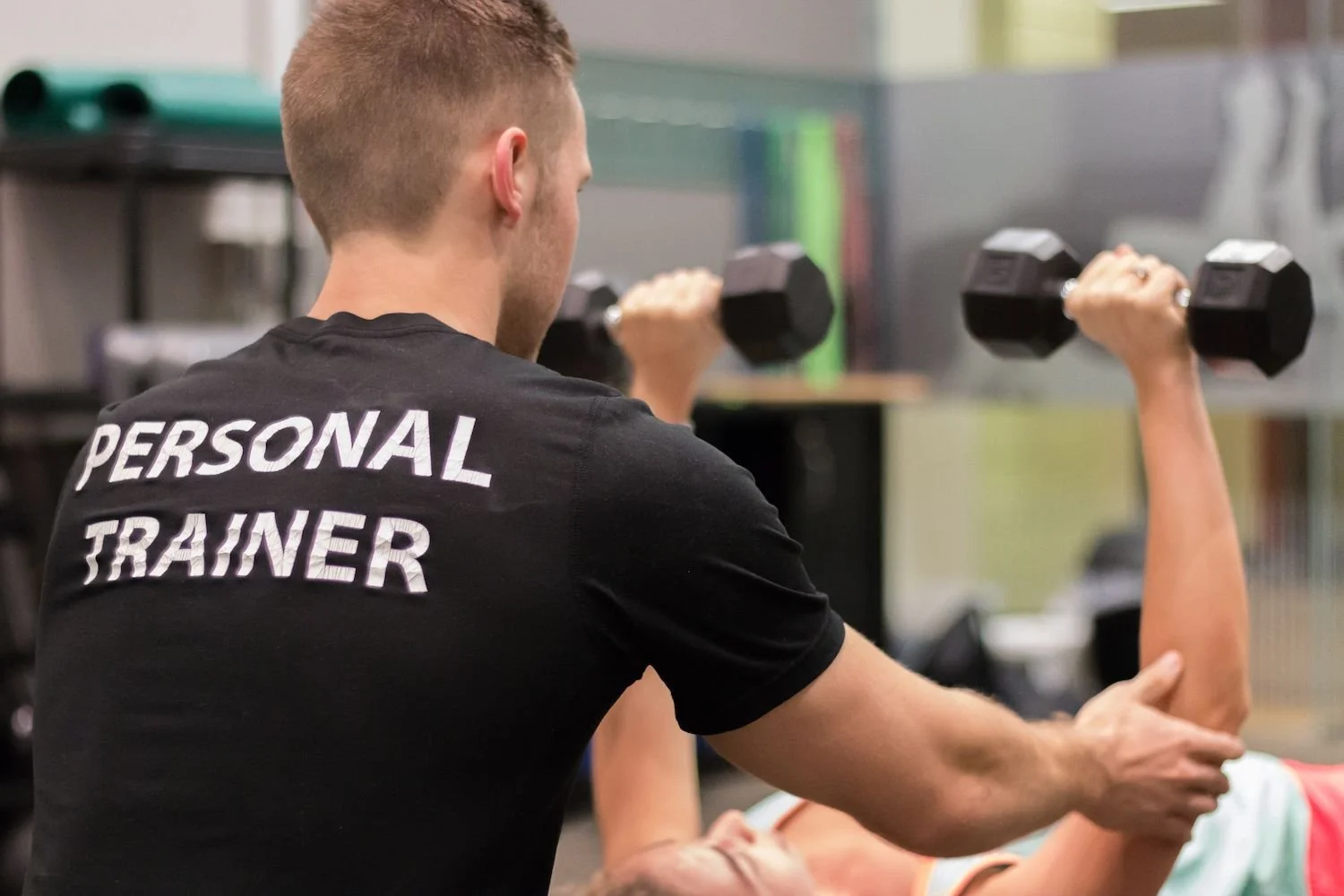
At its core, personal training isn’t about intensity. It’s about intention.
A plan built for your body
Training accounts for injury history, mobility limits, recovery capacity, and current goals, so progress happens without constantly flaring something up.
Progress without guesswork
Loads, movements, and progression are selected on purpose. You show up knowing the work makes sense.
Consistency that fits real life
Sessions are scheduled around work, family, and recovery—not an idealized routine.
A Real Example: Training Through Rotator Cuff Surgery
One personal training client returned to the gym 2 weeks after rotator cuff surgery.
Not to rush recovery, but to stay active and rebuild intelligently.
His plan included:
Three strength-focused sessions per week
Movements selected around surgical restrictions
Weekly adjustments as healing progressed
A schedule that worked with his life
No random workouts. No unnecessary movements. Just steady, appropriate progress.
The result?
Strength built safely, confidence maintained, and no long stretches of inactivity.
That’s structure, not willpower.
Why This Matters More With Age
As we age, strength training becomes more important, and more specific.
It supports joint health, bone density, balance, and long-term independence. But the margin for error narrows. Training needs to be smarter, not harder.
Personal training provides that precision by prioritizing:
Smart scaling
Intentional progression
Recovery-aware programming
The Bottom Line
Personal training isn’t about doing more.
It’s about removing obstacles.
When someone else carries the plan and adapts it to your needs, training becomes simpler, and more consistent.
If you’ve ever felt like consistency would be easier with a clear plan built around your body and your life, this approach solves that problem.
Sometimes the next step isn’t more effort, it’s better structure. If interested in Personal Training with Coach Jackie or Coach Kevin, reach out!
~Coach Christie